





















Delhi's Air Crisis: When Minor Relief Still Means Toxic Breathing
Despite AQI improvements, the capital remains dangerously polluted as authorities hold back on stricter restrictions
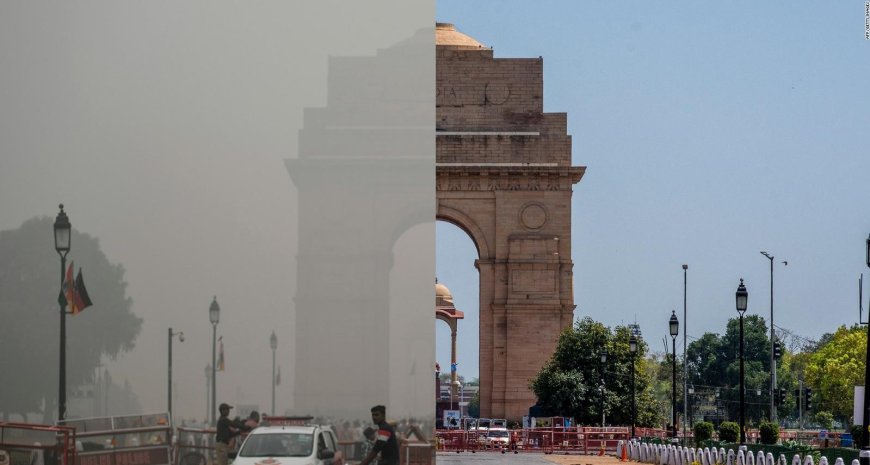
The air in Delhi remains suffocating. As November settles in, residents of the national capital find themselves trapped in a haze that refuses to lift—a grim reminder of an annual crisis that has become as predictable as the monsoon. While meteorologists speak of "minor relief" and officials cite "declining trends," the ground reality tells a different story. The air you're breathing is still toxic.
The Numbers Tell a Grim Tale
Early Monday morning, November 10, Delhi's Air Quality Index (AQI) registered at 346—firmly in the "very poor" category. But this aggregate number masks a more alarming picture. Some areas of the capital were far worse. Bawana choked under an AQI of 412, Wazirpur gasped at 397, and Jahangirpuri struggled with 394. Across 39 monitoring stations in the city, the situation was dire: eight stations recorded pollution levels exceeding the 400-mark, while 18 others hovered above 350.
These aren't just numbers on a screen. They represent millions of people inhaling air so polluted it can cause immediate health effects. Children, the elderly, and those with respiratory conditions are particularly vulnerable, but no one is truly safe when the air itself has become a pollutant.
The GRAP Paradox: Why Aren't Stricter Measures in Place?
Here's where the story becomes confusing—and frustrating. According to a 2024 court order, Stage III of the Graded Response Action Plan (GRAP) should be automatically triggered when AQI reaches 350. Stage IV measures should kick in at 400. By these metrics, Delhi should already be under Stage III restrictions.
Yet authorities remain hesitant. The Commission for Air Quality Management (CAQM) sub-committee has decided to hold back on implementing Stage III, despite the AQI breaching 350 for two consecutive days. Their reasoning? A "consistent declining trend" and weather forecasts suggesting the AQI will remain in the very poor category—but not worsen significantly.
It's a calculated gamble. The logic seems to be: if it's getting worse slowly rather than rapidly, we'll hold our cards. In the meantime, Stage II restrictions—invoked way back on October 19 when AQI first surpassed 300—remain in effect. These include measures like restrictions on diesel vehicles, construction bans, and advisories for vulnerable populations, but critics argue they're insufficient given the severity of the situation.
What Does This Mean for You?
For Delhi's residents, this translates to continued caution and compromise. The "minor relief" being celebrated doesn't mean the air is safe. It simply means it's not getting worse as quickly as it could be.
Vulnerable groups are advised to limit outdoor activities, use N95 masks when venturing out, and monitor AQI levels regularly. Schools have tightened protocols, with some moving to hybrid or online modes. Traffic congestion persists as people adjust their commutes to avoid peak pollution hours.
The everyday reality of living in Delhi during these months has fundamentally changed. Morning jogs have become indoor workouts. Park visits are postponed. Visibility is reduced, making commutes hazardous. The psychological toll of breathing toxic air day after day is often overlooked, yet it's very real.
The Bigger Picture: An Annual Crisis We Can't Ignore
Delhi's air quality crisis is no longer a seasonal anomaly—it's become structural. The combination of vehicular emissions, industrial pollution, crop burning in neighboring states, and meteorological conditions creates a perfect storm that descends on the capital like clockwork.
While authorities debate GRAP stages and AQI thresholds, residents are left to navigate this toxic reality with limited options. Better enforcement of pollution control measures, long-term urban planning focused on reducing emissions, and inter-state coordination on agricultural practices are essential. Quick fixes and delayed action plans simply aren't cutting it anymore.
The Way Forward
As we head deeper into the winter months, when pollution typically peaks, the question isn't whether stricter measures will eventually be implemented—it's whether they'll come too late and cost too much in terms of public health.
The "minor relief" Delhi is experiencing now shouldn't be celebrated. It should be a wake-up call. The air is still toxic. The breathing is still difficult. And unless structural changes are made, this crisis will return with the same predictability—and the same devastating impact—year after year.
For now, Delhi waits. Residents cover their faces, check AQI apps obsessively, and hope that the promised weather patterns actually materialize. Because in a city where the air itself has become dangerous, hope is often all that's left.
What's Your Reaction?
 Like
0
Like
0
 Dislike
0
Dislike
0
 Love
0
Love
0
 Funny
0
Funny
0
 Angry
0
Angry
0
 Sad
0
Sad
0
 Wow
0
Wow
0