























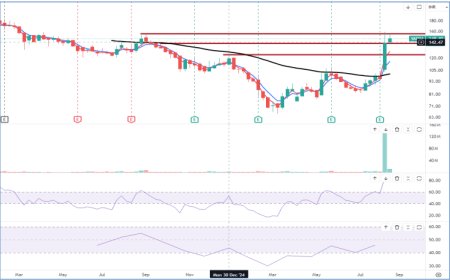



Real Estate: The Future-Proof, High-Performing Asset Class


Real estate continues to stand out as one of the top asset classes in 2025, proving its value both as a safe haven in uncertain markets and as a forward-looking investment. With economic recovery, unprecedented urbanization, and strong demographic demand, property remains at the heart of wealth-building strategies—especially for millennials and Gen Z.
Why Real Estate Is a Top Asset Class for the Future
● Stability & Tangible Value: Unlike stocks and cryptocurrencies, real estate offers a physical, tangible asset that doesn’t vanish during market swings. Land and property hold intrinsic value, providing security and peace of mind, especially in uncertain times.
● Long-Term Growth & Appreciation: Real estate values have shown proven appreciation over time, even amid volatile markets. The demand for urban housing, office spaces, and infrastructure continues to rise, especially with India’s urban population expected to hit 600 million by 2031.
● Steady Passive Income: Rental yields in metros and high-growth cities offer reliable passive income, making real estate attractive for sustained wealth creation.
● Inflation Hedge: Property and rents generally rise with inflation, helping investors preserve their purchasing power.
● Emerging Trends: Smart homes, sustainability, and tech integration are reshaping the sector, aligning especially with younger buyers’ preferences for green, digitally connected spaces.
●
Pros and Cons for Young Adults: Millennials & Gen Z
Pros
● Wealth Building: Homeownership offers a gateway to long-term financial security, breaking the “rent cycle” and enabling asset creation.
● Lifestyle & Flexibility: Smart homes, eco-friendly features, and customizable spaces fit their digital, wellness-centric lifestyles.
● Remote Work Compatible: The shift to remote work is driving demand for larger homes and locations outside expensive metro hubs, opening new paths to ownership.
Cons
● Affordability Challenges: High property prices and the burden of student loans or low initial incomes make saving for down payments difficult.
● Complex Purchase Process: Mortgage navigation, paperwork, and high interest rates can deter young buyers.
● Liquidity: Real estate is not as liquid as stocks or bonds, which may concern those wanting quick access to their investments.
●
Risk Mitigation When Purchasing Real Estate
Safeguarding your investment requires proactive measures:
● Thorough Due Diligence: Investigate the property’s legal titles, market trends, and physical condition before buying. Ensure the property is free from disputes and serious defects.
● Diversification: Avoid concentrating all resources into one property or location. Consider spreading investments across various property types and city tiers to balance risk.
● Appropriate Financing: Analyze loan terms, interest rates, and lock-ins before commitment to prevent overleveraging.
● Legal & Regulatory Checks: Always verify documentation and compliance with local authorities.
● Physical Inspections: Don’t skip on-site inspections to flag structural or maintenance red flags.
How to Select the Right Location
Location is critical to maximizing returns and minimizing risks:
● Growth Potential: Favor areas with strong infrastructure expansion, job creation, and urban development.
● Connectivity & Amenities: Look for locations with good transport links, schools, healthcare, and lifestyle facilities.
● Market Trends: Research capital appreciation rates and rental demand in the area. Current data shows many Tier 2 cities outpacing metros in price growth.
Tier 2 Cities: The New Growth Engine
● High ROI: Tier 2 cities like Lucknow, Coimbatore, and Goa have recorded double-digit year-on-year property appreciation—outstripping metro growth. For example, Lucknow saw 23.7% YoY price growth in 2025, Goa 64.6%, and Coimbatore 46.6%.
● Affordability & Space: These cities offer larger, more affordable homes and modern amenities, compared to increasingly dense metros.
● Lifestyle & Infrastructure: Rising urban amenities, improved security, and better planning are making these cities magnets for young professionals, families, and investors.
● Developer & Investor Interest: Heavy investments and deals by developers and high-net-worth individuals in 2025 highlight the confidence in these emerging hubs.
Conclusion
Real estate’s resilience, multi-dimensional value, and adaptability to current trends make it a compelling, future-proof asset class. For young adults, it marks a pathway to stability and wealth—especially as digitalization, sustainability, and affordable Tier 2 markets transform the investment landscape. Success rests on smart risk management and a focus on locations with solid long-term growth potential.
Author : Prabhu
Contact : +91 97909 88841
What's Your Reaction?
 Like
0
Like
0
 Dislike
0
Dislike
0
 Love
0
Love
0
 Funny
0
Funny
0
 Angry
0
Angry
0
 Sad
0
Sad
0
 Wow
0
Wow
0