





















Interview with Dr. Madhavi Thakre

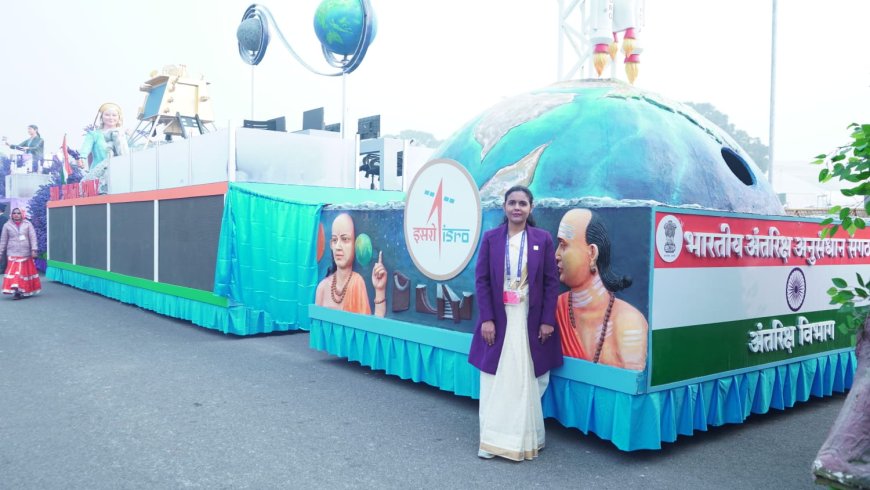
Dr. Madhavi Thakre is a senior scientist at the *Space Applications Centre, ISRO, Ahmedabad*, with over 15 years of expertise in optical system design, modelling and simulation, assembly, integration and testing of optical systems, development of electro- optical payloads for remote sensing and interplanetary applications.
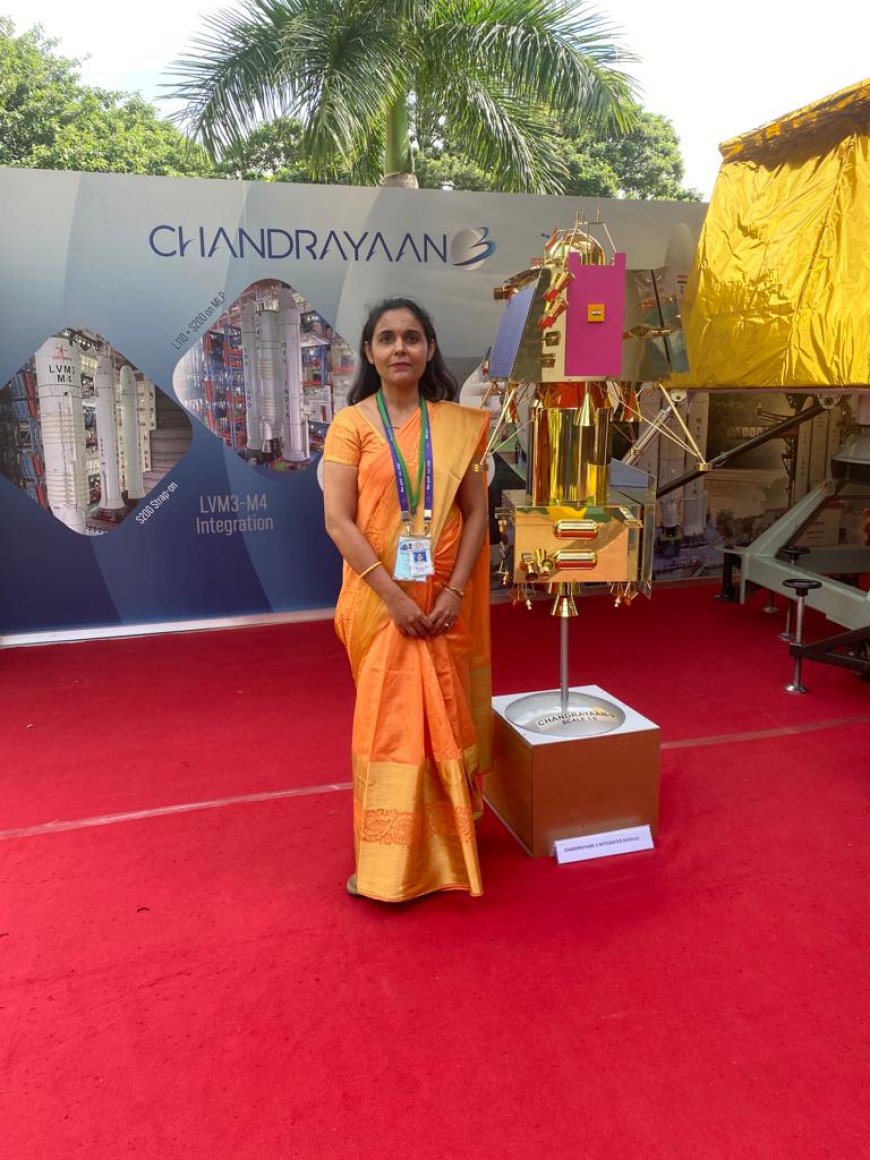
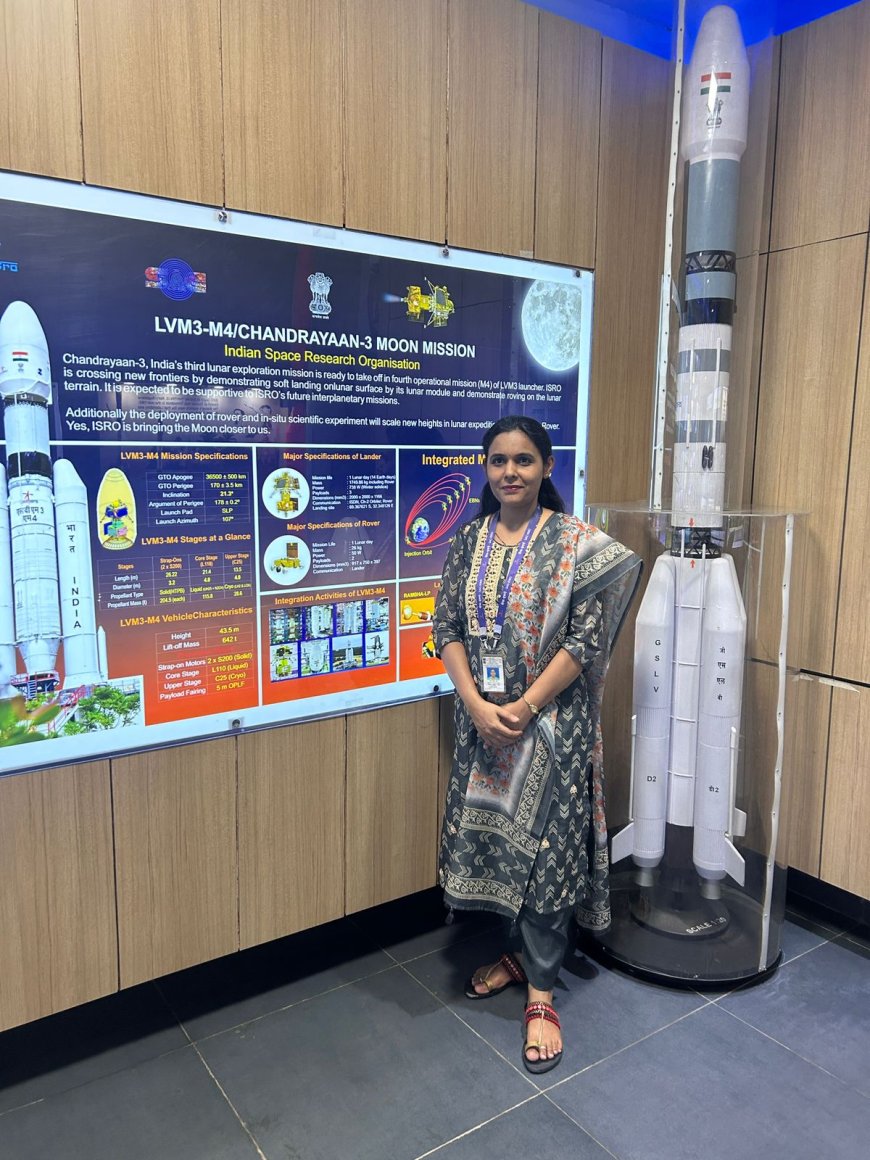
She has authored *8 international journal papers, 10 international conference papers, and 15 national seminar publications, and has played a vital role in landmark missions including the **Mars Orbiter Mission, Chandrayaan-2 & 3, Resourcesat 2A, SPADEX and Indian Nano-satellite missions. As *Project Manager, she was instrumental in the success of **Chandrayaan-3*, developing the lander cameras that enabled Vikram’s historic lunar landing.
Her contributions have been recognized with several prestigious honors:
* *Team Excellence Award (2017)* – Development of INS-1C nanosatellite payload
* *SAC Innovation Award (2018)* – Origami optics-based camera system
* *Excellence of Work Award (2021)* – Outstanding research contributions
* *Maharashtra’s Savitri Award (2022)* – Contribution to space science
* *Sindhu Sanmaan Award (2023)* – SanghaMitra Seva Pratishthan, Nagpur
* *Vikram Sarabhai Scientist Award* – Raman Science & Technology Foundation, India
Interview: Pursuing a Career with ISRO
Q1. What inspired you to choose this career?
My Ph.D. journey was the turning point. While researching nanocomposites for sensor development, I frequently visited ISRO’s website. The *ISRO logo itself was a constant source of motivation*—a symbol of scientific excellence and national service.
I was blessed with mentors and role models. My parents and my professor, *Dr. Dongoankar, guided me early in life. As for role models, **Dr. A.P.J. Abdul Kalam* deeply inspired me—his work ethic, dedication, and vision encouraged me to dream big and contribute to the nation’s progress.
---
Q2. How did your career journey begin?
After completing my master’s, I decided to pursue research and registered for a Ph.D. at Pune University. During that time, I was developing nanocomposite-based humidity sensors and kept browsing opportunities at organizations like *DRDO, CSIR, ISRO, CMET*, etc.
In 2009, while still pursuing my Ph.D., I came across an ISRO recruitment advertisement. ISRO had just announced the discovery of water on the Moon through Chandrayaan-1, and that news fueled my excitement. I applied, appeared for the interview, and was selected as a *Scientist in ISRO* on my very first attempt. My formal journey began in 2010.
---
Q3. What challenges did you face, and how did you overcome them?
Fortunately, my academic background aligned well with ISRO’s requirements. My *Ph.D. research work* helped me immensely during the interview, as most questions revolved around my specialization. With a strong foundation in physics and nanotechnology, I transitioned smoothly into ISRO. The main challenge was adapting to the scale of national missions, but passion and teamwork helped me thrive.
---
Q4. Where are you working now, and what is your role?
I am currently working as a *Senior Scientist at the Space Applications Centre, ISRO, Ahmedabad*. My expertise lies in **optical system design and simulation, testing of optical systems, alignment and optimization of electro-optical payloads for remote sensing and interplanetary missions.
I have contributed to major projects like *Chandrayaan-2 & 3, Mars Orbiter Mission, Resourcesat series, SPADEX, and indian Nano-satellite missions. I also had the privilege of managing **Chandrayaan-3, where I developed the **lander cameras*—which became eye of Vikram Lander. Watching those cameras capturing the landing site images during the 17 crucial minutes remains one of the proudest moments of my career.
---
Q5. How does your work benefit society?
ISRO’s work is not just about space—it is about *nation-building. From **satellite technology for agriculture, urban planning, and disaster management* to *scientific exploration of Mars and the Moon*, our work impacts millions of lives every day.
For me, contributing to ISRO means contributing to *India’s technological independence, national security, and global reputation. It is both a **national pride* and a *global responsibility*.
---
Q6. What advice would you give to aspiring students?
STEM is an ocean of opportunities. If you are curious, passionate, and committed, science and technology can open doors beyond imagination. Don’t confine yourself—dream big, and don’t hesitate to walk an unconventional path.
Remember, knowledge is important, but so are *innovation, problem-solving, and resilience. Stay curious, keep learning, and use your skills to solve real-world challenges like climate change, healthcare, and sustainability. The world needs **your ideas and determination*.
---
Q7. What suggestions would you give to young girls who want to pursue STEM or join ISRO?
My message to young girls is simple: *believe in yourself and never underestimate your potential*. STEM is not limited to any gender; it is about curiosity, hard work, and the desire to solve problems.
Girls often face stereotypes that science and technology are difficult fields, but the truth is that determination and passion matter more than anything else. If you are genuinely interested in physics, engineering, space, or any area of science, pursue it with confidence.
To those who aspire to join ISRO: focus on building a strong foundation in your core subject, develop analytical thinking, and always remain innovative. ISRO looks for people who are dedicated, creative, and ready to contribute to the nation. With perseverance and hard work, *you too can become part of India’s space journey*.
What's Your Reaction?
 Like
1
Like
1
 Dislike
0
Dislike
0
 Love
0
Love
0
 Funny
0
Funny
0
 Angry
0
Angry
0
 Sad
0
Sad
0
 Wow
0
Wow
0