











Nepal Prime Minister Steps Down After Deadly Crackdown on Protesters
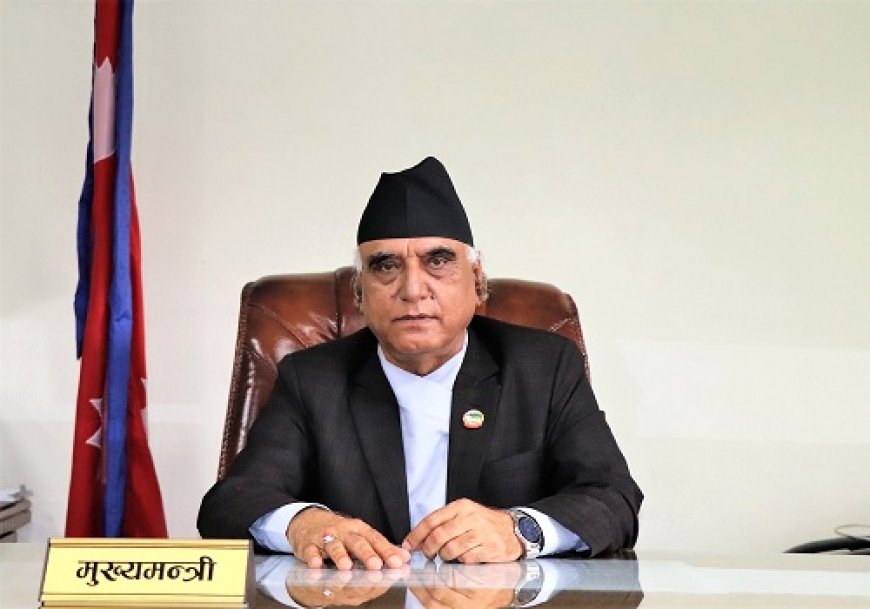
KATHMANDU, Nepal — Prime Minister KP Sharma Oli submitted his resignation Tuesday following intense pressure from nationwide protests that turned violent, resulting in multiple casualties and plunging the Himalayan nation into political turmoil.
The 72-year-old leader's departure marks the end of a crisis that began with demonstrations against government policies but escalated into broader anti-corruption protests led primarily by young Nepalis demanding systemic change.
Fatal Government Response Sparks Outrage
The turning point came Monday when security forces opened fire on demonstrators, killing at least 19 people and injuring hundreds more in what became Nepal's deadliest single-day crackdown in recent memory. The violence triggered immediate condemnation from opposition parties and civil society groups, with many holding Oli directly responsible for the harsh response.
Home Minister Ramesh Lekhak resigned Monday evening, becoming the fourth cabinet member to quit as the government's position became increasingly untenable. Three other ministers had already stepped down as protests gained momentum across the country.
Youth Movement Overwhelms Government
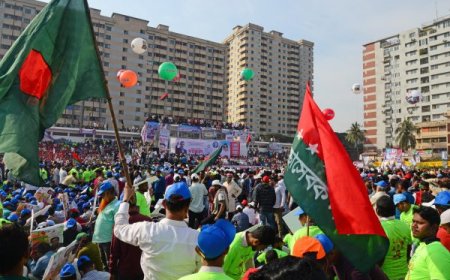
What began as opposition to a controversial social media ban quickly transformed into a broader movement challenging government corruption and demanding accountability. Young protesters, drawing inspiration from similar movements in the region, organized mass demonstrations that spread from Kathmandu to other major cities.
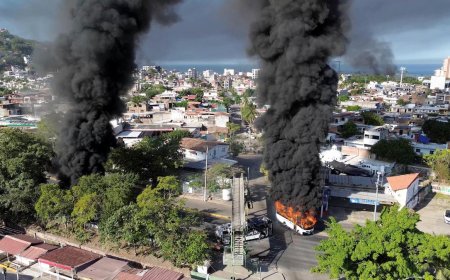
The situation reached a boiling point Tuesday when hundreds of protesters breached the Prime Minister's office compound, chanting anti-government slogans and demanding his immediate resignation. Separately, angry demonstrators set fire to Oli's private residence in Balkot and targeted homes of other senior political leaders.
Political Isolation Forces Hand
The Rastriya Swatantra Party and other opposition groups had been calling for Oli's resignation and fresh elections, arguing that his administration had lost all legitimacy. The deadly crackdown eliminated any remaining political support, with even some members of his own party distancing themselves from the government's actions.
Sources close to the Prime Minister's office confirmed his resignation Tuesday afternoon, though formal procedures are still being completed. The announcement came as authorities imposed a curfew in Kathmandu and temporarily closed the international airport due to ongoing unrest.
Uncertain Path Forward
Nepal now faces the challenge of forming a new government while addressing the underlying grievances that sparked the massive protests. The youth-led movement has demonstrated unprecedented organizing power, fundamentally shifting the country's political dynamics and establishing new expectations for government accountability.
The resignation represents a significant victory for Nepal's younger generation, who have shown they can successfully challenge established political authority through sustained civil resistance. However, the path to lasting political stability remains unclear as the nation grapples with deep-rooted issues of corruption and governance that fueled the uprising.
The international community is closely monitoring developments in the strategically important nation, which sits between regional powers China and India. The coming days will be critical in determining whether Nepal can transition peacefully to new leadership while maintaining stability in a volatile region.
What's Your Reaction?
 Like
0
Like
0
 Dislike
0
Dislike
0
 Love
0
Love
0
 Funny
0
Funny
0
 Angry
0
Angry
0
 Sad
0
Sad
0
 Wow
0
Wow
0