





PM Modi to Skip ASEAN Summit in Kuala Lumpur, Will Participate Virtually
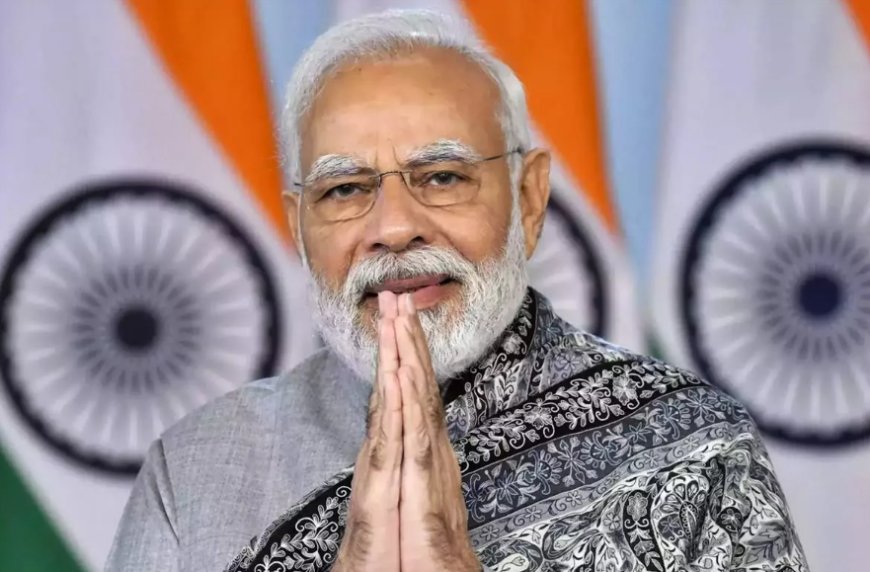
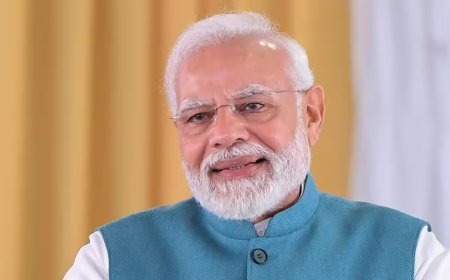
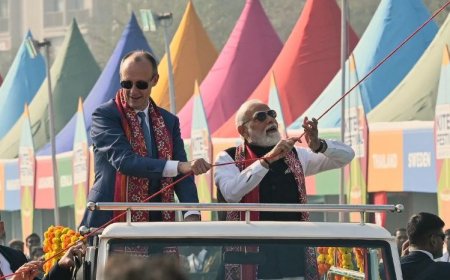
New Delhi – Prime Minister Narendra Modi will not be making the trip to Kuala Lumpur for the upcoming ASEAN Summit, opting instead for virtual participation in the three-day event scheduled from October 26-28.
The decision was communicated directly to Malaysian Prime Minister Anwar Ibrahim through official channels. According to Ibrahim, he received notification from Modi's office explaining that the Indian leader would join the proceedings remotely, citing the timing of Deepavali celebrations in India as a key factor in the decision.
Jaishankar to Lead India's On-Ground Presence
In Modi's absence, External Affairs Minister S Jaishankar is expected to represent India at the 47th ASEAN Summit. Jaishankar will engage in discussions and bilateral meetings on behalf of the Indian government, ensuring the country maintains its active engagement with the regional bloc and dialogue partners.
Impact on Bilateral Diplomacy
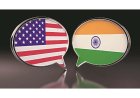
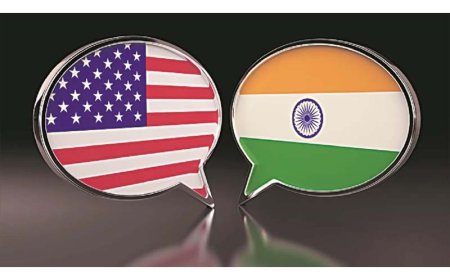
The virtual participation means that a highly anticipated face-to-face meeting between PM Modi and US President Donald Trump will not materialize this year. Trump is scheduled to attend the summit in person, and many observers had expected a bilateral discussion between the two leaders on the sidelines of the ASEAN gathering.
Domestic Considerations
The decision appears to be influenced by multiple factors on the domestic front. The timing of the summit coincides with Deepavali, one of India's most significant festivals, traditionally a period when the Prime Minister engages in extensive public celebrations and events across the country.
Additionally, the ongoing Bihar Assembly elections require considerable political attention, with the Prime Minister's presence being crucial for the ruling party's campaign efforts in the key state.
India's ASEAN Engagement Continues
Despite Modi's physical absence, India's commitment to the ASEAN partnership remains steadfast. The virtual format will allow the Prime Minister to participate in key plenary sessions and contribute to discussions on regional security, economic cooperation, and strategic partnerships.
This marks a continuation of hybrid participation formats that became common during the pandemic era, though most leaders have returned to in-person attendance at major multilateral summits. India's representation through its External Affairs Minister ensures that bilateral and multilateral engagements will proceed as planned, albeit in a modified format.
What's Your Reaction?
 Like
0
Like
0
 Dislike
0
Dislike
0
 Love
0
Love
0
 Funny
0
Funny
0
 Angry
0
Angry
0
 Sad
0
Sad
0
 Wow
0
Wow
0