




















Security Breach: Attack Attempt on Chief Justice of India Shakes Supreme Court

October 6, 2025
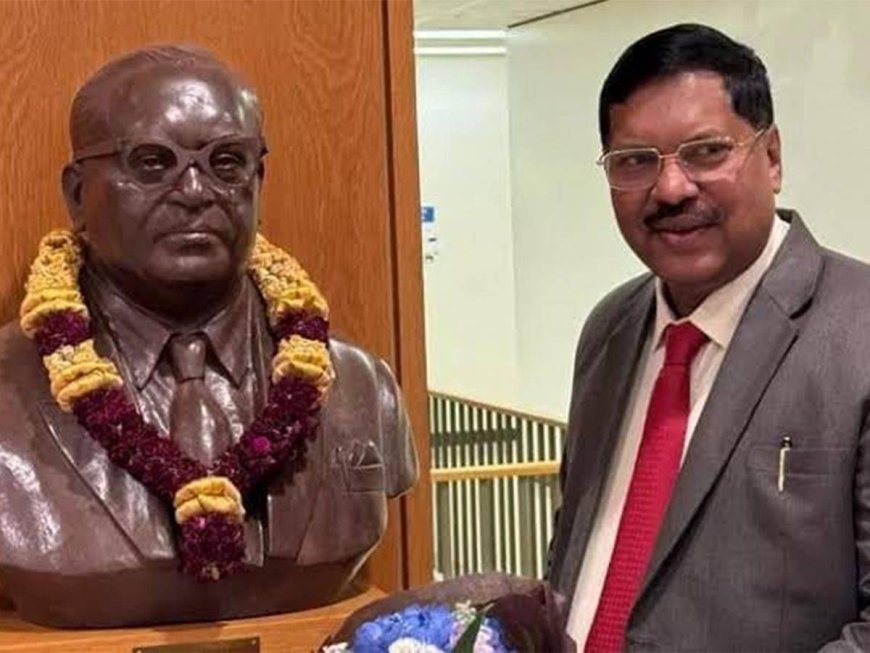
In an unprecedented security breach, a man disguised as a lawyer attempted to attack Chief Justice of India BR Gavai during routine proceedings at the Supreme Court on Monday morning. The incident has sparked urgent conversations about judicial security and the mounting pressures facing India's highest court.
The Attack
During a regular court session, as CJI Gavai was hearing case mentions from lawyers, a man suddenly approached the judicial dais and attempted to remove his shoe to hurl it at the Chief Justice. Alert security personnel immediately intervened, physically restraining and removing the attacker from the courtroom before he could execute his plan.
As guards dragged him away, the man shouted "Sanatan ka apman nahi sahenge" (We will not tolerate insult to Sanatan Dharma), clearly indicating his actions were driven by religious motivations.
A Judge Unshaken
What happened next demonstrated remarkable judicial composure. Chief Justice Gavai, completely unfazed by the chaos, calmly instructed the lawyers present to continue with their arguments. "Don't get distracted by all this. We are not distracted. These things do not affect me," he stated, immediately resuming proceedings.
His response sent a powerful message about judicial resilience and the court's refusal to be intimidated by such acts.
The Controversy Behind the Attack
The assault attempt stems from a controversy that erupted last month during a hearing involving a petition to restore a damaged Lord Vishnu idol at Khajuraho. CJI Gavai dismissed the case as "publicity interest litigation" and remarked that the petitioner should "ask the deity to do something."
These comments triggered widespread outrage on social media, with many accusing the Chief Justice of disrespecting Hindu religious sentiments. Despite Gavai's subsequent clarification that he respects all religions and believes in "true secularism," the controversy continued to simmer, ultimately culminating in Monday's attack attempt.
Political Condemnation
Congress president Mallikarjun Kharge condemned the incident as "unprecedented and shameful," joining voices across the political spectrum in denouncing the attack. Legal experts have expressed deep concern that such incidents threaten the fundamental principle of judicial independence.
Critical Security Questions
The attack has exposed serious vulnerabilities in Supreme Court security protocols. Key concerns include:
- How did the attacker gain access to the courtroom dressed as a lawyer?
- What screening procedures failed to identify and stop the threat?
- Are current security measures adequate for protecting judges handling sensitive cases?
The Supreme Court's security unit has launched a comprehensive investigation to answer these questions and prevent future breaches.
The Social Media Factor
This incident highlights the dangerous intersection of social media amplification and real-world violence. The original context of CJI Gavai's remarks was lost in viral clips and selective interpretations that spread across platforms, inflaming public sentiment and apparently inspiring violent action.
The case demonstrates how judicial comments, often made within specific legal contexts, can be rapidly weaponized when stripped of nuance and broadcast to millions.
Implications for Justice
The attempted attack carries profound implications beyond this single incident. When judges face threats of physical violence for their remarks or decisions, the entire foundation of judicial independence trembles. Courts must be able to function without fear, making decisions based solely on law and constitutional principles rather than mob sentiment.
India's judiciary has increasingly faced pressure from various groups through social media campaigns, threats, and intimidation. Monday's incident represents a dangerous escalation from online criticism to attempted physical assault.
A Dangerous Precedent
Physical attacks on judges remain rare in India, making this incident particularly alarming. It sets a troubling precedent suggesting that those who disagree with judicial remarks or decisions might resort to violence rather than legitimate legal channels.
The attack also raises difficult questions about how courts should navigate cases involving religious sentiments in an increasingly polarized environment, where even procedural remarks can spark fierce controversy.
Moving Forward
Following this breach, several immediate steps appear necessary:
Enhanced Security: Comprehensive review and strengthening of courtroom access protocols, including stricter screening for all individuals entering Supreme Court premises.
Protection Protocols: Special security arrangements for judges handling potentially controversial cases involving religious, political, or sensitive social issues.
Public Education: Greater efforts to help citizens understand judicial processes and the importance of respecting courts even when disagreeing with their decisions.
Social Media Monitoring: Better systems to track and counter misinformation about judicial proceedings before it escalates into real-world threats.
The Broader Battle
This incident transcends the immediate security failure. It represents a critical moment in India's ongoing struggle to protect its democratic institutions from violence and intimidation. The judiciary serves as the ultimate guardian of constitutional rights and the rule of law. When that guardian faces physical attacks, democracy itself is under assault.
Chief Justice Gavai's composed response offers a template for how the judiciary must proceed: with dignity, impartiality, and unwavering commitment to its constitutional mandate, regardless of attempts at intimidation.
Conclusion
As investigations continue into Monday's security breach, the incident serves as a wake-up call about the fragile state of judicial security in India. The legal community, political leadership, and citizens must unite to condemn such violence and reaffirm their commitment to protecting judicial independence.
The ability of judges to perform their duties without fear represents a cornerstone of democratic governance. Anything less than absolute protection for this principle threatens the very foundation of India's constitutional order.
What's Your Reaction?
 Like
0
Like
0
 Dislike
0
Dislike
0
 Love
0
Love
0
 Funny
0
Funny
0
 Angry
0
Angry
0
 Sad
0
Sad
0
 Wow
0
Wow
0