
























ISRO Advances Small Satellite Launch Capabilities with Upgraded SSLV Third Stage

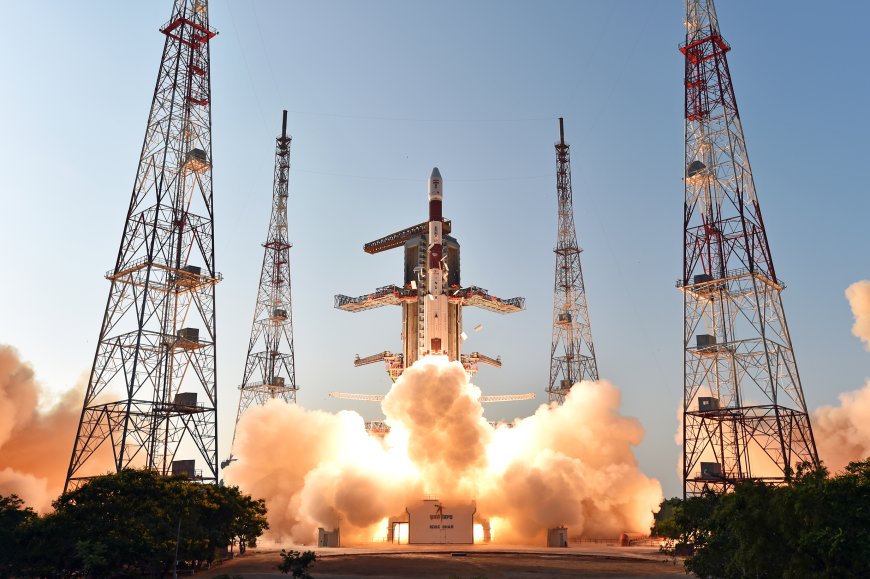
India's space agency has taken a major step forward in enhancing its commercial launch capabilities. The Indian Space Research Organisation (ISRO) successfully validated an upgraded third stage for its Small Satellite Launch Vehicle (SSLV) during a static test conducted on December 30, 2025, at the Satish Dhawan Space Centre in Sriharikota.
Enhanced Payload Capacity Through Material Innovation
The centerpiece of this upgrade is a carbon-epoxy motor case that substantially reduces the stage's overall mass. This weight reduction translates directly into increased performance, enabling the SSLV to carry an additional 90 kilograms of payload to orbit. For a vehicle designed to launch small satellites, this represents a meaningful enhancement that could accommodate more instruments, additional satellites, or extended mission capabilities.
Advanced Propulsion System Design
Beyond the lighter structural components, ISRO engineers incorporated several technical refinements into the upgraded stage. The design includes an improved igniter system and an enhanced nozzle configuration. Notably, the nozzle control mechanism now relies on a fault-tolerant electro-mechanical actuation system, which provides greater reliability and precision during flight operations.
Successful Qualification Test
The static test firing lasted 108 seconds, during which engineers monitored numerous parameters. All measurements aligned closely with pre-test predictions, demonstrating that the upgraded stage performs as designed. Following this successful demonstration, ISRO has cleared the improved third stage for operational flight missions.
SSLV's Strategic Role in India's Space Program
The Small Satellite Launch Vehicle represents ISRO's response to the growing commercial demand for dedicated small satellite launches. Unlike larger rockets that require extensive infrastructure and preparation, the SSLV is designed for rapid deployment with minimal ground support. This quick-turnaround capability makes it particularly attractive for launch-on-demand services.
The vehicle completed its three developmental flights in August 2024, validating its core design and operational procedures. With the technology transfer to Indian industry now underway, the first operational commercial mission designated SSLV-L1 is scheduled for early 2026.
Looking Ahead
This latest upgrade strengthens India's position in the competitive global small satellite launch market. The additional payload capacity, combined with the SSLV's inherent operational flexibility, positions the vehicle as a viable option for both domestic and international customers seeking reliable access to space for small satellite constellations, technology demonstration missions, and earth observation platforms.
As commercial space activities continue expanding worldwide, ISRO's investment in improving the SSLV demonstrates its commitment to providing responsive, cost-effective launch services that meet evolving market demands.
What's Your Reaction?
 Like
0
Like
0
 Dislike
0
Dislike
0
 Love
0
Love
0
 Funny
0
Funny
0
 Angry
0
Angry
0
 Sad
0
Sad
0
 Wow
0
Wow
0