


















Bangladesh's Extradition Push: The Sheikh Hasina Case

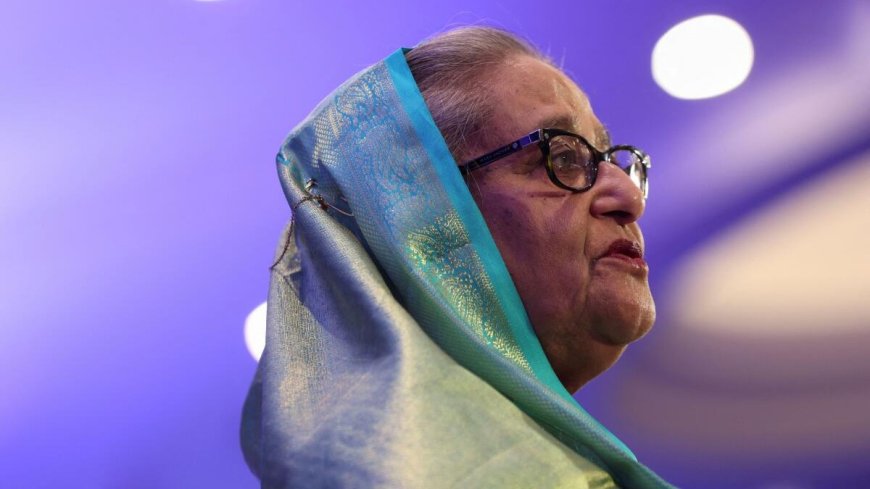
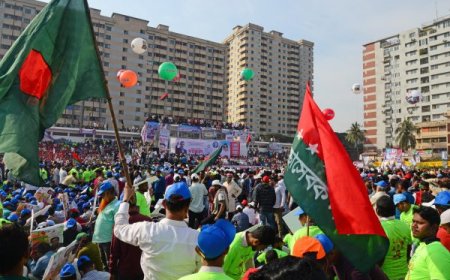
The extradition saga surrounding former Bangladesh Prime Minister Sheikh Hasina has entered a new chapter, with Dhaka now attempting to leverage international law enforcement mechanisms to bring her back from India. The move signals an escalation in efforts to hold the deposed leader accountable for alleged crimes against humanity committed during her final months in office.
The Flight and the Fall
Sheikh Hasina's departure from Bangladesh in August 2024 marked the dramatic end of her 15-year rule. She fled the country amid a mass uprising, finding shelter in neighboring India, where she has remained since. However, her departure did not mean an escape from accountability. Back in Dhaka, a newly empowered tribunal has been working to ensure she faces justice for her government's controversial actions.
The Charges and the Verdict
The International Crimes Tribunal in Dhaka has made its position clear: it convicted Hasina in absentia of crimes against humanity. The court found her guilty of orchestrating a deadly crackdown on student-led protests that engulfed the nation during her final period in power. The sentence handed down was severe—death—underscoring the gravity with which the tribunal views her alleged involvement in the violence that cost numerous lives and shook Bangladesh to its core.
A Diplomatic Maneuver
Recognizing that traditional diplomatic channels have yielded limited results, Bangladesh's Chief Prosecutor's Office has decided to escalate its efforts. The prosecutors are now preparing an application to invoke Interpol, the international law enforcement organization, to facilitate Hasina's extradition. This represents a strategic shift toward multilateral mechanisms in hopes of circumventing potential political obstacles.
Parallel to this move, Bangladesh's foreign ministry is drafting formal correspondence to be sent directly to New Delhi. However, this diplomatic approach carries a familiar sense of anticipation tinged with uncertainty. A previous letter sent to India's Ministry of External Affairs in December requesting Hasina's repatriation remains without response, leaving many to wonder whether New Delhi views the matter as a legal issue or a political one.
The Legal Complexities
The path to extradition is far from straightforward. The India-Bangladesh Extradition Treaty of 2013, which governs such matters between the two nations, contains provisions that provide New Delhi with considerable discretionary power. Specifically, Articles 6 and 8 of the treaty grant India the right to reject or defer extradition requests based on various grounds.
Legal experts have identified several potential arguments India could employ. The nation could refuse based on concerns of justice—questioning whether the proceedings in Bangladesh are truly impartial or whether political motivations have tainted the judicial process. In the current climate, where Hasina's adversaries control the government, such arguments may carry weight in New Delhi's corridors of power.
The Geopolitical Undercurrent
This case is not merely a legal matter; it is deeply entangled with regional geopolitics. India's decision to shelter Hasina reflects broader strategic considerations about its relationship with Bangladesh and the regional balance of power. By refusing or delaying extradition, India could signal its skepticism toward the new Bangladeshi administration or demonstrate its commitment to protecting individuals it deems allies.
Conversely, acceding to the extradition request could be seen as a pragmatic adjustment to Bangladesh's political realities and a demonstration of respect for its sovereign judicial processes.
Looking Forward
The coming weeks will be crucial. As Bangladesh pursues both Interpol and diplomatic channels simultaneously, the international community watches to see how this case unfolds. The outcome will have implications not just for Sheikh Hasina, but for the credibility of Bangladesh's justice mechanisms and the robustness of India-Bangladesh relations.
Whether through Interpol's intervention or direct diplomatic negotiations, the question remains: will international law enforcement and treaty obligations prevail over political considerations? The answer may ultimately depend on how India weighs its legal obligations against its strategic interests—a calculation that transcends simple jurisprudence and enters the realm of statecraft.
For now, Sheikh Hasina remains in India, and the extradition machinery—both diplomatic and international—continues to turn slowly. Bangladesh has made its position unmistakable: accountability, it believes, should not be avoided simply by crossing a border.
What's Your Reaction?
 Like
0
Like
0
 Dislike
0
Dislike
0
 Love
0
Love
0
 Funny
0
Funny
0
 Angry
0
Angry
0
 Sad
0
Sad
0
 Wow
0
Wow
0